
It’s tough to be an allrounder in international cricket.
Even harder when you happen to be Australian.
Mitchell Marsh has kind of drawn the curtain on his Test career by pulling the pin on representing Western Australia in the Sheffield Shield although national coach Andrew McDonald responded by saying they would still consider him for a late Ashes cameo.
They shouldn’t. It would serve no purpose, particularly when a younger allrounder who should be a viable option for at least the next few years in Beau Webster has been left out of the opening two matches of the series.
As someone who once described himself as “the most hated cricketer in Australia”, the 34-year-old’s career has followed a similar path to Shane Watson, the previous golden boy who was heavily criticised for seemingly falling short of expectations.
Glenn Maxwell, who like Marsh has been diverted to the white-ball squads, is another player with the ability to be a match-winner with both disciplines who has come under fire over the past decade-plus.
There are lessons to be learned with the Aussies five years into their long-term investment in Cameron Green.
The most important one is that the allrounder’s role is bloody hard yakka.
It’s difficult to make it in any of the three national line-ups as a specialist batter or bowler, and significantly harder if you are expected to deliver with runs and wickets.
Allrounders seem to be measured by a higher standard.
While some opening batters keep their spot even though they have extended periods averaging in the low 30s, allrounders are often compared with a couple of statistical outliers in all-time greats Garfield Sobers and Jacques Kallis.
Sobers piled up 8032 runs and 235 wickets from his 93 Tests for the West Indies from 1954-74, averaging 57.78 with the bat and just 34.03 with the ball as the Barbadian interchanged between spinners and seamers depending on the needs of the team.
It was considered unlikely to ever be matched until Kallis came along for South Africa in the mid 1990s and proceeded to rack up 13,289 runs at 55.37 along with 292 wickets at 32.65 from his 166 appearances.

Garfield Sobers. (Photo by S&G/PA Images via Getty Images)
The 1980s was the golden age for allrounders with Imran Khan, Kapil Dev, Richard Hadlee and Ian Botham each creating an aura with their exceptional feats.
Marsh was unfairly treated due to his surname on the back of older brother Shaun copping nepo-baby accusations when he had been fast-tracked into the national team.
The fact that his dad Geoff had not been Australian coach for more than a decade by the time Shaun made his debut in 2011 did not seem to temper the vitriol towards the left-hander as he frequently mixed blazing centuries with form slumps and injuries.
Mitchell was four days shy of his 20th birthday when he got his first taste of international cricket in a white-ball series in South Africa a month after Shaun’s century on Test debut in Sri Lanka.
He had to wait another three years before he was called into the Test side, during a series against Pakistan in the UAE.
Like Green nowadays, Marsh seemingly had all the talent in the world – the ability to bowl fast and belt the ball into the cheap seats.
The selectors were patient, hoping that their faith in him would pay off – their belief in him seemed to fuel the perception that he was getting a cushy ride because of his surname.
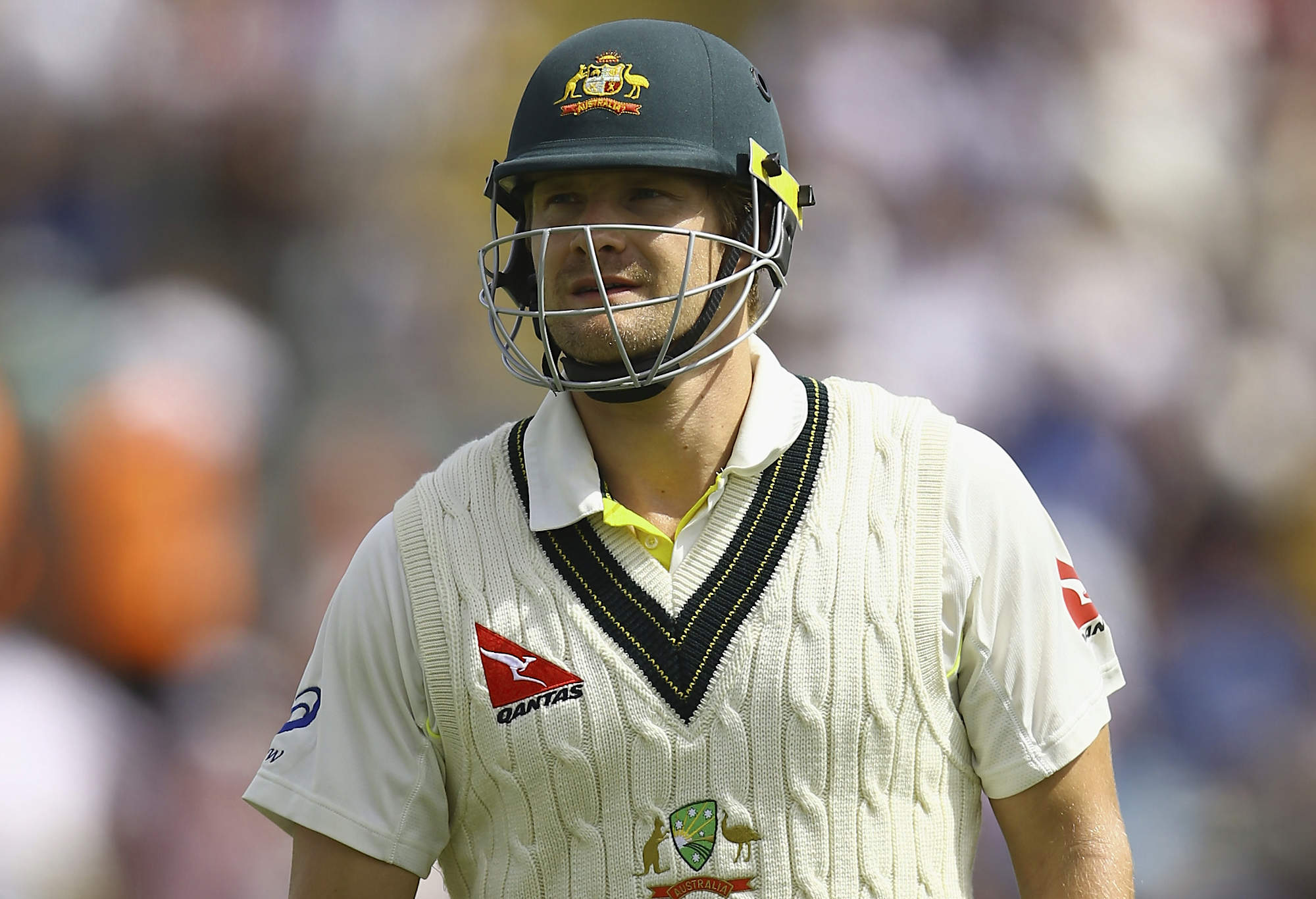
Shane Watson. (Photo by Ryan Pierse/Getty Images)
But in his 10th Test series, Marsh looked like he had finally come of age as a Test quality allrounder in the 2017-18 Ashes with a superb 181 (while skipper Steve Smith stroked a double ton), followed up by 101 in the series finale at the SCG when Shaun also hit triple figures
The selectors’ patience ran out after another downturn over the following 18 months, leading to what looked like his permanent expulsion from the Test team at the end of the 2019 Ashes.
Marsh has barely played first-class cricket since – turning out in just nine matches for Western Australia over the past six years due to a mixture of injuries and his ongoing requirements for the Aussie T20 and ODI squads.
The current selection panel is known for being risk averse but they deserve credit for taking a huge gamble on Marsh in the 2023 Ashes when his mid-series injection for a struggling Green led to his blazing 118 in the third Test at Leeds.
He managed to not only justify but maintain his value the following home summer to collect the Allan Border Medal with a memorable speech but after 73 runs in seven innings against India at the end of last year, the time had come for him to go and Webster to get the chance to prove he can be a Test allrounder.
The jury is still out on whether Green can become a generational talent as a dual threat.
Green again looked a million dollars in each of the first two Tests before failing to convert promising starts – in Perth he was out to a soft dismissal but in Brisbane he threw his wicket away by backing out to short leg during a bizarre stretch when he decided to out-Bazball the English with outlandish strokes.
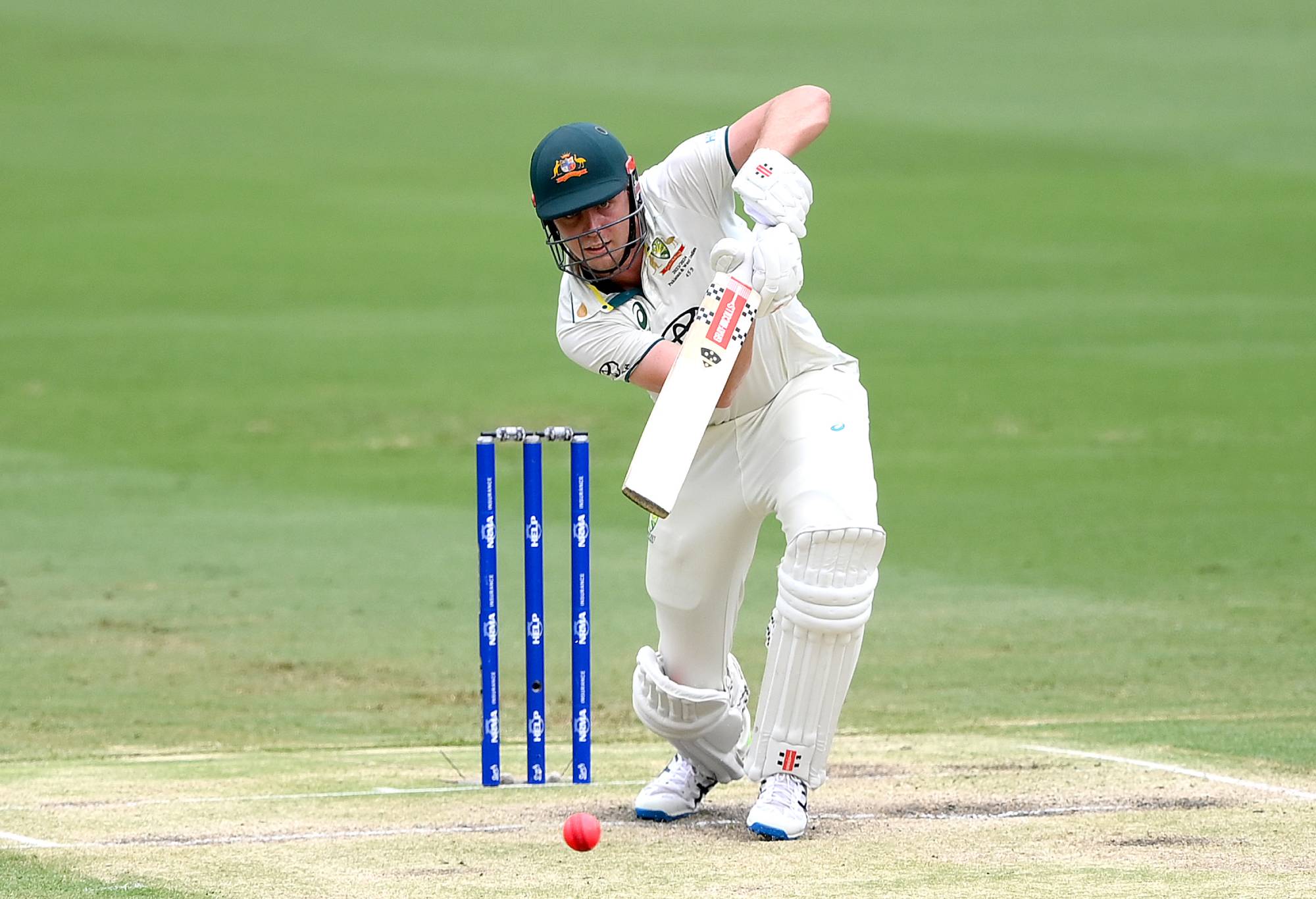
Cameron Green. (Photo by Bradley Kanaris/Getty Images)
Doubts are starting to emerge over Green’s trajectory and it may be better for him to concentrate on batting like Steve and Mark Waugh and Steve Smith before him to realise his potential.
Australia could do a lot worse than using a player who contributes in all three areas like Webster to balance their line-up.
With Alex Carey showing he is capable of going up to six in the order, the Aussies don’t need to fulfil their decades-long search for a world-class allrounder.
Marsh still has a few years left to dominate the shorter formats and when he does indeed hang up his boots for good, he will be viewed, like Watson, as someone who was under-rated for the output he produced.
And not only will he not be pilloried by the fans, but celebrated with fondness.
>Cricket News
%20(3).jpeg)




0 Comments